Beaujolais, an underrated gem
“If you like fruit-forward wines and great value, you should look closer into this region! Beaujolais has a reputation for producing a cheap, low quality wine; here you will discover why, and how wrong this assumption is.”
What is Beaujolais?
I lost track of how many times I heard many people say: “Beaujolais is just cheap and low quality wine” and for some time, I thought the same. How different can a region famous for entry-level wines that use a single grape variety in such a small stretch of land present anything different? Why is the region much cheaper than its neighbour, Burgundy? Join me at this walkthrough into the World of Beaujolais and discover there is much more to this region.
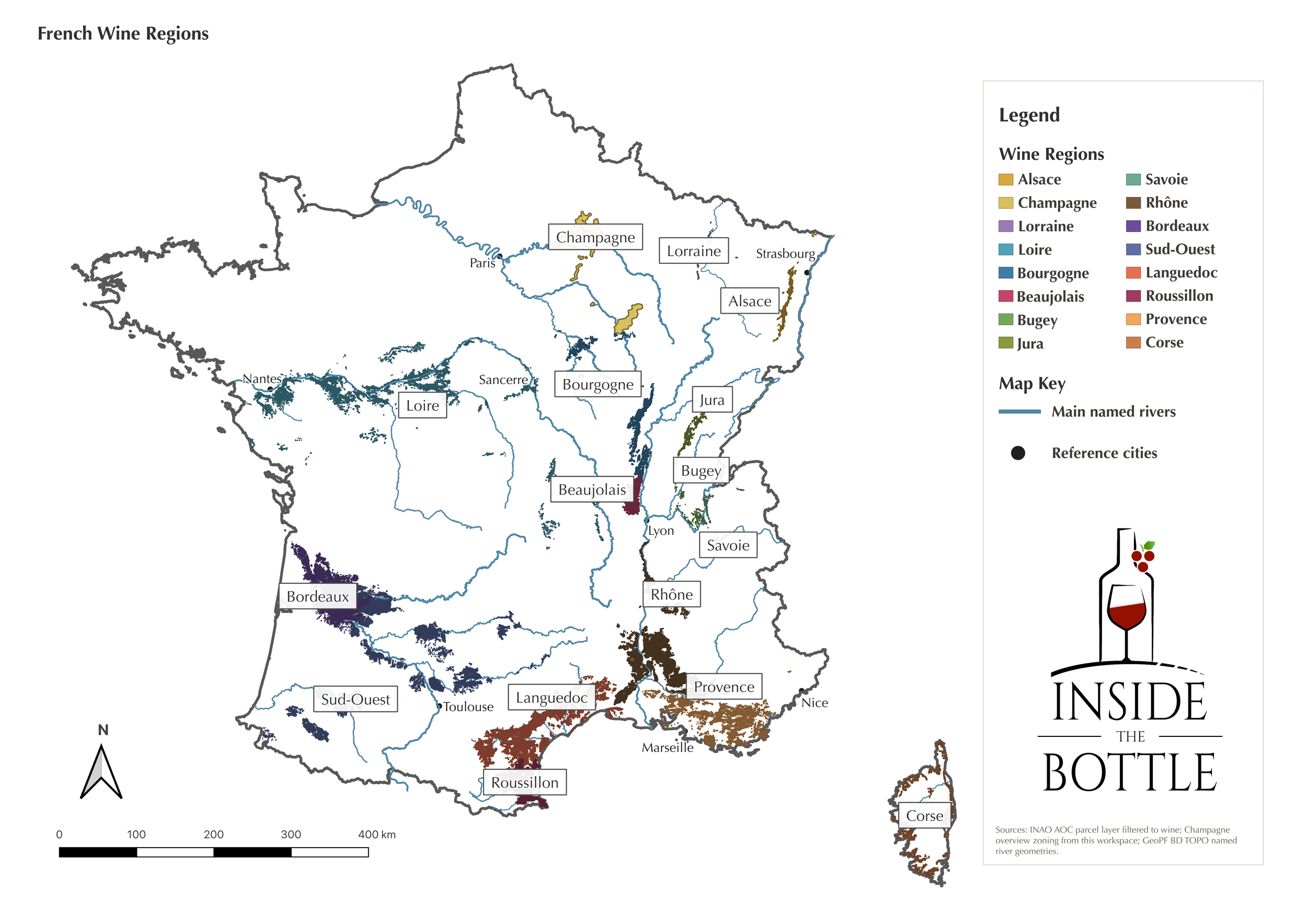
Just so we can geographically locate ourselves, Beaujolais is in Central France, with Burgundy in the North and Lyon right below it.
The first time I heard about Beaujolais wine was while living in Lyon, during the 2017 Nouveau’s release. This was a wine I hadn’t heard anything about. Brazil does not import much of it, representing only 0.65% of the export market of the region in 2024. The Beaujolais Nouveau is a style focused on a wine to celebrate the harvest from the same year, because of the rush to have it available in the market on the third Thursday of November the priority is not depth nor a complex wine but rather a simple, alcoholic fruit juice. However, it does not reflect the seriousness of the other wines being made in the region. Being just south of Burgundy, you could imagine the region to carry expensive price-tags and be coveted around the World but it is not the case. To understand the diverging outcomes of Beaujolais and Burgundy, let’s look into their history.
A bit of history
The Romans are entitled to a large part of European wine spreading. Wherever they stopped to make a settlement they wanted to quench their thirst, expanding the vineyard area across Europe. After the fall of the Roman Empire, Monks in the region took over the duty of taking care of the vines and so started the search for terroir in Beaujolais and Burgundy.
Divergences of production styles were already present in 1395, when it was decreed that the “disloyal and very bad” grape Gamay should be pulled out of Burgundian vineyards by Philippe le Hardi, Duke of Burgundy. Beyond this vague description, there is little information on why he reached this conclusion. It could have been a personal preference or he owned large Pinot plantations. Perhaps he was mad that Gamay has a tendency of producing higher yields. Nonetheless, there are still plantations of Gamay in Burgundy, but their number have reduced drastically since the decree. Fast-forward a few centuries, with Burgundy and Champagne being commonly consumed by the French high society, Beaujolais’ popularity did decline.
Geographically, Beaujolais does not have a direct and easy river access to neither Paris nor other large capitals. Thus, the wines were consumed in the region. The main river going through the region is the Saône, which runs South, going through Lyon. During the 17th century, Lyon had their silk boom. This increased the economic growth of the region, alongside its appetite for wine. In the 1830’s the Canut revolts had an impact beyond the Lyonnaise silk, it also boosted the wine industry of Beaujolais. One of the resolutions was for workers to receive part of their payment in wine. This started Beaujolais into the journey of focusing on volume rather than quality. It was followed by the emergence of the bouchon lyonnais gastronomy, which is another great reason to visit the region nowadays.
The end of the 19th and start of the 20th centuries were a rough period for winemakers. Phylloxera spread through Europe destroying vineyards, followed by two World Wars which caused disruption both in working the vineyards and distribution in for French viticulture. However, Beaujolais had a quick to recover. In 1945, post-war, they introduced the Beaujolais Nouveau campaign. A celebration of the harvest, with some light and fruity wine being produced in a very short time. Wines are to be sold on Beaujolais day, the third Thursday of November. In the 1990’s shops were frequently selling-out even before the wines arrived, but from the turn of the century the entry-level approach started to hurt the region. Climate-change (and extreme weather patterns, such as hail) adds pressure to producers, in an environment where most high-quality producers are aiming at a premium market — and Beaujolais’ history gives the idea that their wines should fair poorly. There is much more to the wines of Beaujolais than the Nouveau, and that is what you need to explore to understand the region.
The Wines & Terroir
Beaujolais is synonymous with the Gamay grape. Although it is not the single place that grows Gamay, it is by far the most popular for its use. The region can be divided into 12 appellations. There are 10 Cru-status villages, and many other villages in the Beaujolais Village-level appellation and the broader Beaujolais appellation within the region. This is accompanied by a mosaic of soils across the region. There are over 300 soil-profiles with the key ones being: pink granite, blue rock, clay, and some limestone in the South. The first two help with vineyard drainage, while the blue rock helps bringing heat to ripen the grapes, and clay helps with water capture to help manage droughts. In 2018, the region got the UNESCO Geopark status, recognising this unique combination of soils. I highly recommend checking the geological landscape at https://www.geopark-beaujolais.com/.
Most of the region’s appellation is Beaujolais or Beaujolais-Villages, with the best slopes and areas classified in the Crus. Each cru has a slightly different style. Fleurie is known for more floral notes of violets, Morgon for darker fruits and bolder structure, Brouilly and Côte de Brouilly being some of the most red-fruit forward in the region, and Moulin-à-Vent recognized as one of the greatest ageing potential of the region.
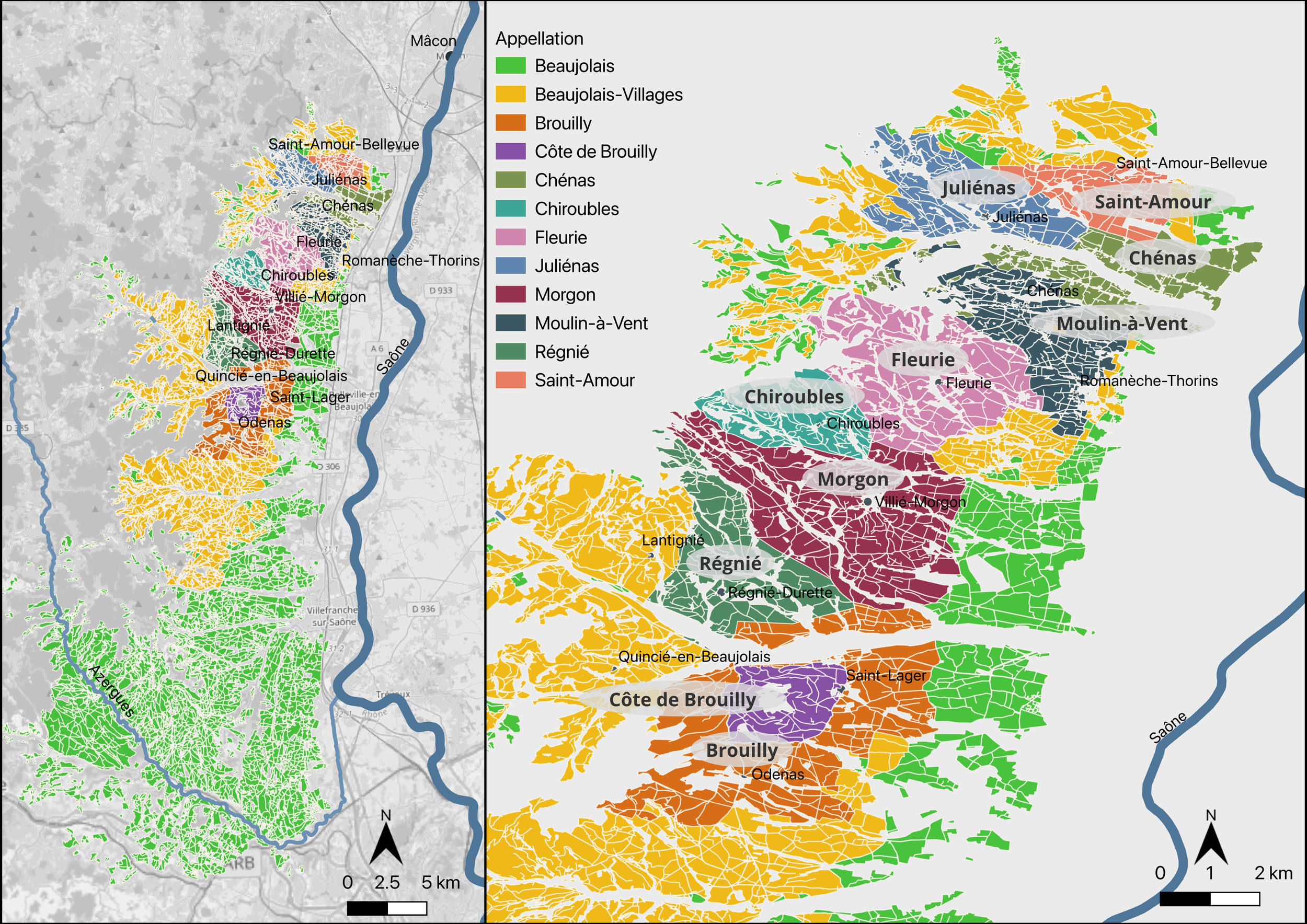
Note that the city of Chénas is not in the Chénas appellation, and Côte de Brouilly is surrounded by Brouilly.
Winemaking from the region
There are 4 winemaking styles in the Beaujolais region:
Carbonic maceration (what the region is widely known for)
Semi-carbonic maceration (what actually happens)
Burgundian winemaking (aka traditional winemaking)
Thermovinification (to make things quickly and cheaply)
In carbonic maceration, whole bunches ferment inside intact berries in a carbon dioxide-rich environment. Because the grapes are not initially crushed, the fermentation happens inside the berry itself (intracellularly). The rest of the tank is flushed with CO2 to avoid oxidation of the must/berries as they turn into wine. This tends to produce wines with bright fruit, low tannin, and aromas that can appear candied or jammy aromas with little tannin extraction from the grape skins. However, when filling vats with grapes what happens is that the grapes on the top crush some grapes at the bottom, making it a mix of intracellular and extracellular fermentation. This is known as semi-carbonic maceration. When grapes are de-stemmed and crushed and used fermented it is labeled as Burgundian winemaking and it is more common than many would expect in Beaujolais. Wines made this way remain fruit-forward but less jammy than carbonic macerated ones. The final method, thermovinification, uses heat to burst grapes instead of crushing them followed by rapid cooling. It makes for lower extraction and reduces the complexity that can be achieved with the wine in return for a quick-start. If controls are not finely tuned, the wine profile becomes very much cooked fruits. This style is the least popular.
Another aspect that is not nearly discussed enough is the yeast choice. One of the aromas people usually mention when it comes to Beaujolais is ‘bananas’. After the tasting (more below), it became more clear that it is not associated to the winemaking technique itself as the banana/bubblegum aroma was not a key identifier for those tasting (and myself) for most of the wines. When a region is famous for a specific style and the producer has to make a decision: should they follow the style so that people buying their wine know what to expect, or do something new? Regions with more economical power, such as Champagne, have the leverage to experiment with this. This is another reason why there is such a wide producer variation in Beaujolais. It not just the terroir, but individual winemaking decisions that are not even discussed in other regions and it makes the wines from here unique and special.
Tasting Beaujolais
Whenever tasting wines from similar (and recent) vintages it becomes a matter of fine-tuning your palate to notice the small differences. They include Beaujolais, Beaujolais Village, and each of the 10 Crus. The most common examples are enjoyed young, but tasting older Beaujolais does show it can age gracefully. There are YouTube videos showing this, and I had some friends blind-taste in 2025 Beaujolais from the first half of the 20th century. As they mentioned, it was a wine that showed age combined with freshness and a fruit concentration that they had never tasted before.
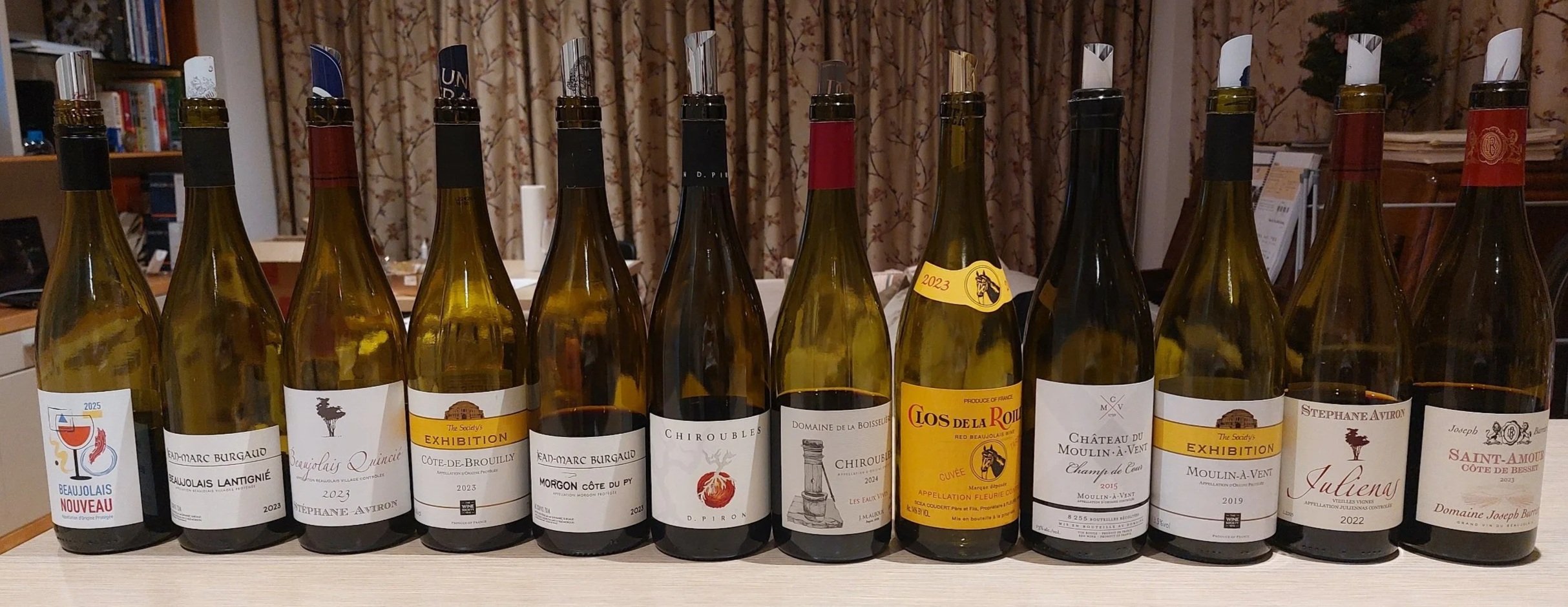
During Beaujolais weekend 2025 I hosted some friends over for a tasting party. The full line-up was:
2025 Beaujolais Nouveau, J M Aujoux
2023 Beaujolais Lantignié, Jean-Marc Burgaud
2023 Beaujolais Quincié, Stéphane Aviron
2023 Côte-de-Brouilly, The Society’s Exhibition
2023 Morgon, Côte du Py, Jean-Marc Burgaud
2023 Dominique Piron, Chiroubles
2024 Domaine de la Boisseliere, Chiroubles
2023 Clos de la Roilette, Cuvée Tardive, Fleurie
2015 Chateau Moulin-à-Vent Champ de Cour, Moulin-à-Vent
2019 The Wine Society’s Exhibition, Moulin-à-Vent
2022 Stephane Aviron, Juliénas
2023 Domaine Joseph Burrier, Saint-Amour
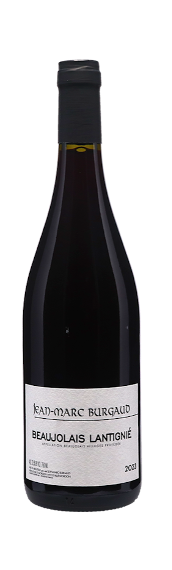
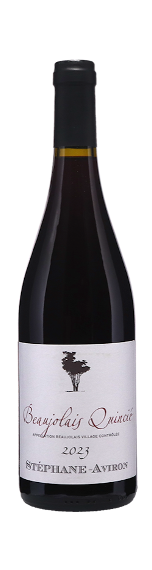
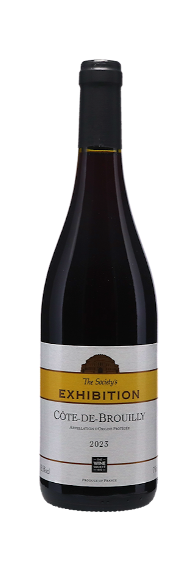
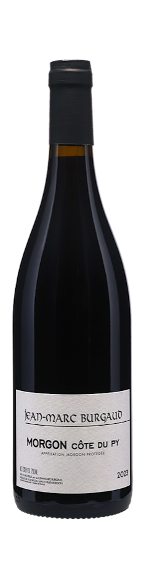
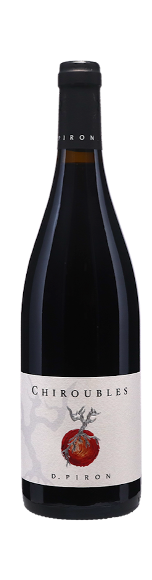
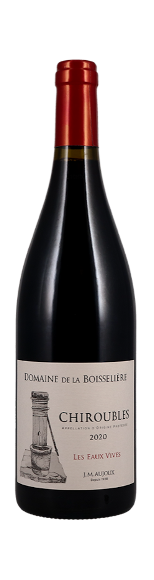
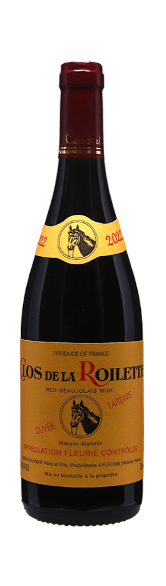
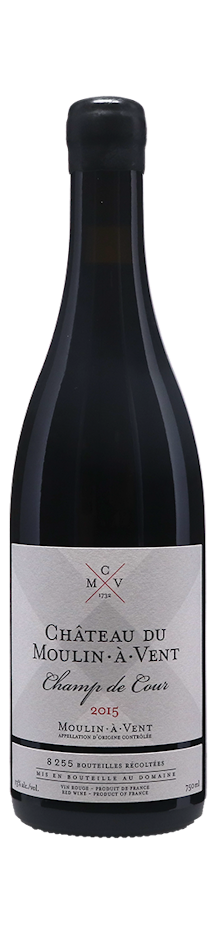
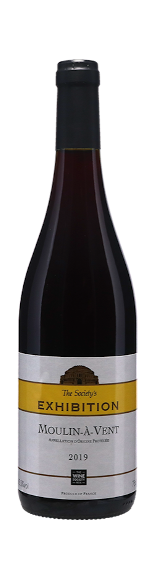
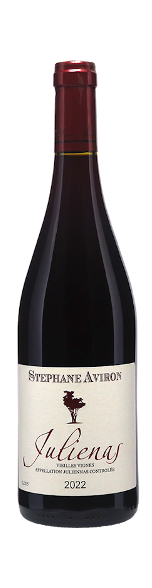
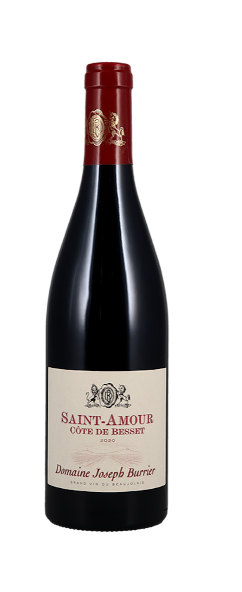
For this tasting the trick was sourcing a Beaujolais with some age to it. Because they are not famous for ageing potential, it is rare to find a merchant selling anything beyond the latest two vintages. Fortunately, I found two examples of Moulin-à-Vent, one Chateau Moulin-à-Vent Champ de Cour 2015 and The Wine Society’s Exhibition Moulin-à-Vent 2019. In this tasting I wanted to showcase the range of wines Beaujolais can produce. From the various styles, including: Nouveau, a range of Crus, Age, and winemaking.
Some of the highlights of the tasting were:
2015 Chateau Moulin-à-Vent Champ de Cour versus 2019 The Society’s Exhibition Moulin-à-Vent
Both showed the balance of tons of fruit with a layer of tertiary aromas. However, they had aged very differently. The 2019 tasted significantly older than the 2015! From the colour of the wines, all the way to their concentration, it makes it obvious there is a great producer variation.
2023 Clos de La Roilette, Cuvée Tardive, Fleurie
This wine was voted people’s favourite of the night, by far. The old vines here produce a fantastic wine, with depth and concentration. The winemaking is also balanced to have the structure to complement the fruit-forwardness of this wine. Excellence from both sides: terroir and winemaking. It is one of those examples I would consider age-worthy Beaujolais.
Domaine de la Boisseliere, Chiroubles
The low-sulfur winemaking overtakes what you would expect from the wine here. It drives more to a natural style, and it was a big outlier in the line-up. For the “natural wine lovers”, this could be the example for you.
Beaujolais Quincié, Stéphane Aviron
This was another example that was highly regarded by everyone. Quincié is a Village appellation instead of a Cru and the winemaking style was a bit lighter than most other Crus it remains a very enjoyable example.
The tasting opened our eyes to this region that flies under the radar and surprised us with excellent wines from a region everyone got for granted,
What are some wines, or regions, that surprised you when you didn’t expect it? Let me know for future articles like this one.
Cheers!